
Which Polymers Benefit Most from Nanoadditives?
Where can nanomaterials best boost performance and value?

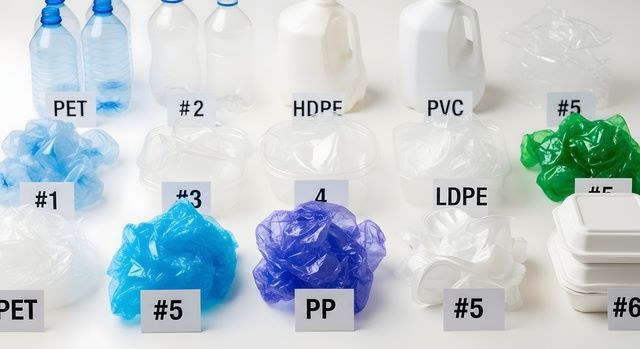
While creating a nanocomposite is a highly technical process, the nanomaterials themselves can be added to a wide variety of polymers. The choice of polymer affects not only the performance improvements but also the scalability and application of the final material. Below is an overview of the main types of polymers that benefit from nanoadditives and the advantages they can gain.
Commodity Thermoplastics
Commodity thermoplastics are widely produced and used across industries, making them prime candidates for nanomodification. As such, nanoadditives are frequently incorporated into polyethylene (PE), polypropylene (PP), polystyrene (PS), and polyvinyl chloride (PVC).
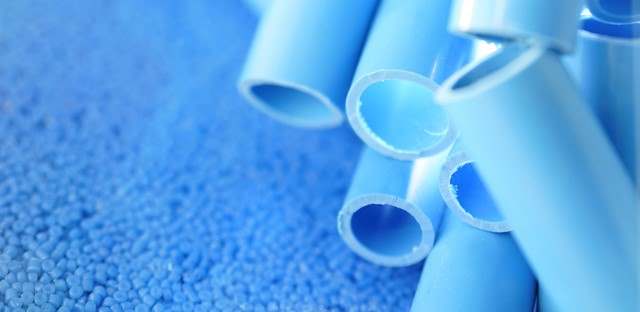
Why they are used with nanoadditives: These polymers are produced in huge volumes, so even small improvements in performance can translate into significant commercial advantages. Nanomaterials can help overcome the natural limitations of these plastics, making them suitable for more demanding applications.
Typical benefits include the following:
- Improved mechanical strength: Nanoparticles can reinforce the polymer matrix, increasing tensile strength and impact resistance.
- Better barrier properties: Nano-additives can reduce gas and moisture permeability, enhancing shelf life for packaging.
- Antistatic or conductive behaviour: Conductive nanofillers like carbon nanotubes allow these plastics to dissipate static or even conduct electricity for electronics applications.
- Flame resistance: Certain nanoparticles can improve fire retardancy without compromising processability.
Applications: Packaging, containers, automotive components, consumer goods, and piping systems.
Engineering Plastics
Engineering plastics already offer higher mechanical and thermal properties than commodity plastics. Adding nanomaterials allows manufacturers to push performance even further. Common examples of where nanoadditives are used include polyamide (PA, nylon), polycarbonate (PC), polyethylene terephthalate (PET), polybutylene terephthalate (PBT), and acrylonitrile butadiene styrene (ABS).

Benefits of nano-additives in engineering plastics:
- Increased stiffness without additional weight: Ideal for components where strength-to-weight ratio is critical.
- Improved heat resistance: Nanomaterials can increase the glass transition temperature or thermal stability for electronics or automotive applications.
- Electrical conductivity: Adding conductive nanoparticles can make plastics suitable for electronic housings or EMI shielding.
- Dimensional stability: Nano-additives can reduce warping or shrinkage during processing.
Applications: High-performance automotive parts, consumer electronics, structural components, and 3D printing filaments.
High-Performance Polymers
High-performance polymers such as polyether ether ketone (PEEK), polyphenylene sulfide (PPS), and polyimide are used in the most demanding environments, including aerospace, electronics, and high-temperature applications.
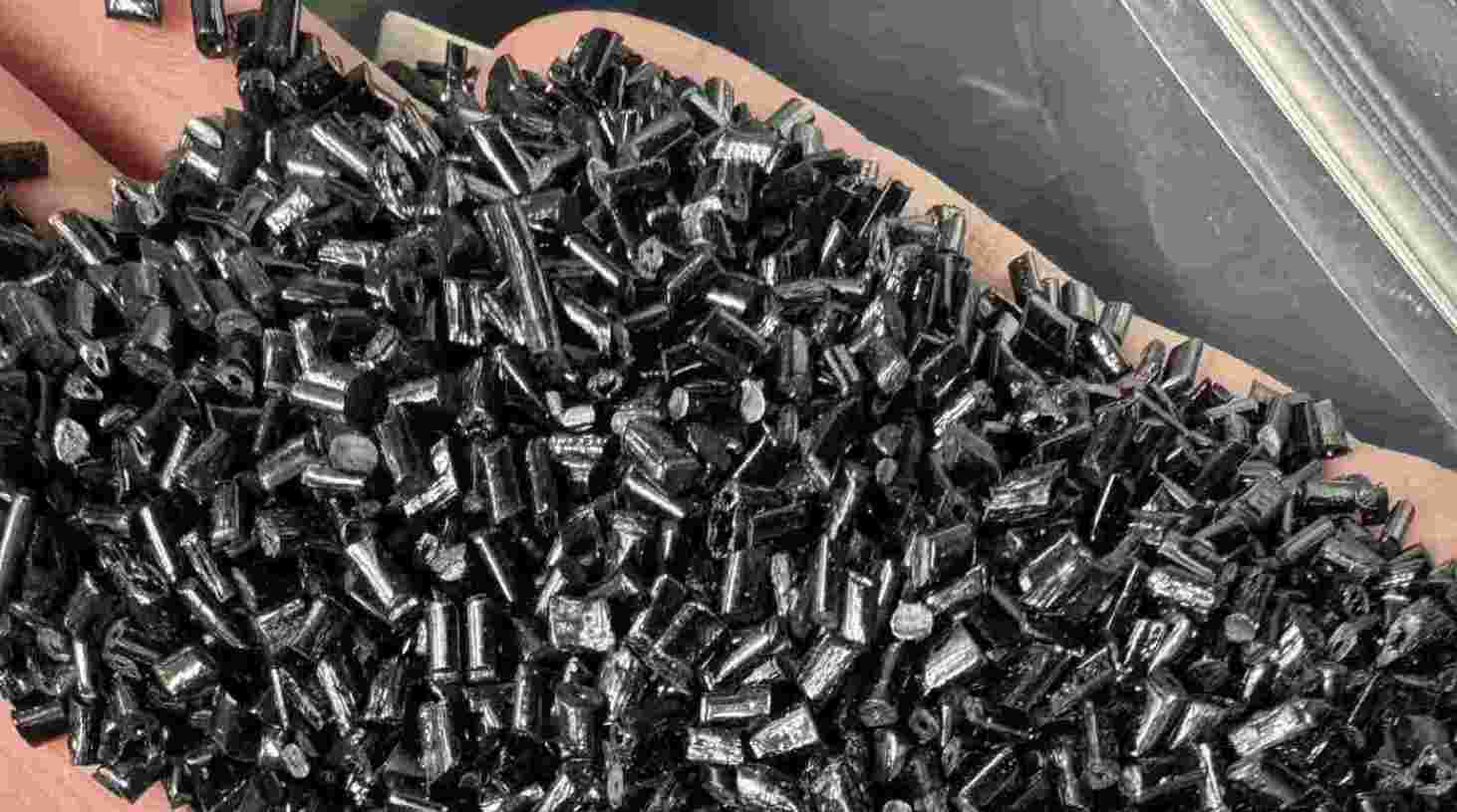
Even for these already advanced materials, nano-additives can provide significant advantages:
- Wear resistance: Nanoparticles improve abrasion resistance, extending component life.
- Thermal conductivity: Enhanced heat dissipation for electronics or high-temperature machinery.
- Electromagnetic shielding: Carbon-based or metallic nanofillers protect sensitive electronics from interference.
- Mechanical performance at high temperatures: Nano-additives help maintain strength and flexibility in extreme conditions.
Applications: Aerospace components, high-performance bearings, electrical connectors, and industrial machinery parts.
Thermoset Resins
Nanomaterials are also widely used in thermosetting polymers such as epoxy resins, polyester resins, vinyl ester resins, and polyurethane. These polymers are common in coatings, adhesives, and composite materials, yet even in these products, nanomaterials can still enhance structural and functional properties.
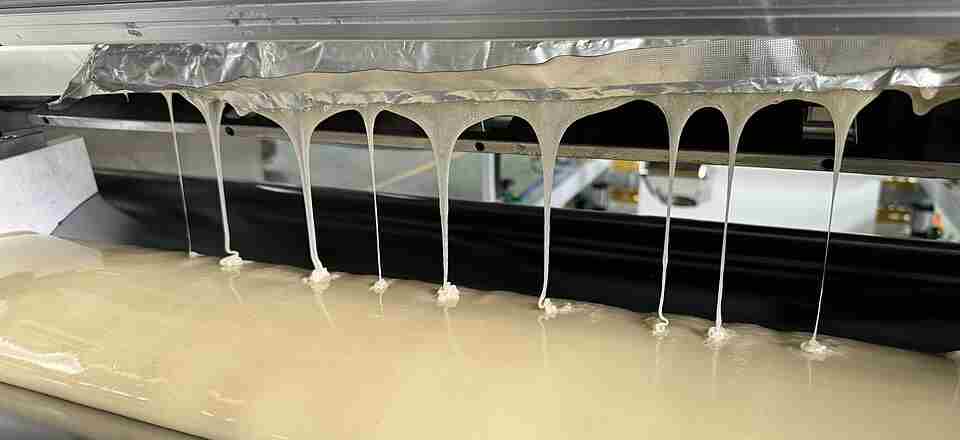
Key benefits include the following:
- Structural composition: Nanoparticles increase stiffness and toughness for load-bearing applications.
- Protective coating: Improved chemical, UV, and abrasion resistance.
- Adhesion: Better bonding and durability with reduced brittleness.
- Electronic encapsulation: Enhanced electrical insulation or conductivity where needed.
Applications: Aerospace and automotive composites, industrial coatings, electronics encapsulation, and high-performance adhesives.
Conclusion
The ability to integrate nanomaterials into a wide range of polymers opens up new possibilities for product performance, durability, and functionality. However, the benefits of nanoadditives can only be realised if the dispersion and processing are handled correctly — a challenge that requires both scientific expertise and industrial know-how.
Thankfully, experts are on hand who have both a deep knowledge of nanomaterial science and practical experience in polymer processing. By combining this knowledge, they can help manufacturers and product development teams bridge the gap between laboratory innovation and scalable industrial production. In this way, companies can unlock the full potential of nanocomposites, creating products that truly stand out in performance and commercial value.
To learn more about the process of making nanocomposites and how they can improve the value of both common and specialist polymers, visit POLYMER NANO CENTRUM or contact info@polymernanocentrum.cz
Photo credit: Vecteezy, Vecteezy, Vecteezy, Wikipedia, Vecteezy, & Wikimedia

