
From Lab Breakthrough to Industrial Materials
Reinventing polymer performance with carbon nanotube technology.


Scientists have long believed that advanced nanotechnology can unlock new levels of performance in polymer materials—Nobel Prize-winning research has shown this to be true. But converting that know-how into a commercial advantage for polymer products has often proved elusive.
But one research facility just outside Prague in the Czech Republic has become a compelling example of how carbon nanotube (CNT)-modified polymers can be translated into real industry solutions.
Transforming Tough Polymers into Functional Materials
Called POLYMER NANO CENTRUM, the company has built its own research laboratories designed specifically for turning nanomaterial know-how into practical polymer products for the manufacturing sector.

For example, the latest focus has been on polyphenylene sulfide (PPS) — a high-performance engineering polymer known for its excellent thermal stability, chemical resistance, and mechanical strength. Polymers like PPS are highly versatile but still have limitations, especially in applications where controlled electrical properties and mechanical toughness are critical.
To overcome these boundaries, nanotechnology researchers integrated carbon nanotubes (CNTs) into the PPS matrix using proprietary nano-modification processes. In doing so, they fundamentally changed the polymer’s internal structure: the CNTs form conductive networks within the otherwise insulating polymer, resulting in a material that still retains outstanding thermal and mechanical properties but with valuable additional functionality of electrical conductivity.

Performance Gains That Matter to Industry
The improvements achieved through CNT modification are significant and clearly measurable:
· Mechanical Toughness: Elongation at break nearly doubled from 42 % to 83 %, indicating much greater ductility and resilience under stress.
· Electrical Properties: Surface resistivity dropped by several orders of magnitude (from >10¹¹ Ω·sq⁻¹ to ~10⁷ Ω·sq⁻¹), giving PPS antistatic behaviour while preserving its core insulation and strength.
· Processing and Manufacturing: The modified polymer remains compatible with standard industrial processes — including injection moulding and extrusion — and is designed for repeatable series production.
These results aren’t just academic: they demonstrate how polymer nanocomposites can be tailored to deliver multiple functional enhancements simultaneously, without sacrificing the performance features that manufacturers already rely on.
The Manufacturing Sectors Benefitting Most from Nanotechnology
By balancing mechanical strength, ductility, and electrical behaviour, CNT-enhanced PPS unlocks new possibilities for industrial products where conventional polymers fall short. Typical sectors where this technology is already gaining traction include:
· Automotive Components: Structural parts, housings, and sensor mounts where controlled electrostatic properties are essential.
· Electronics and Energy Systems: Casings and elements that benefit from antistatic behaviour while maintaining high heat resistance.
· Aerospace Materials: Lightweight but tough parts that must endure mechanical loads, vibration, and temperature stress.
· Defence and Industrial Electronics: Components requiring reliable static dissipation and mechanical durability under harsh operating conditions.
By turning previously passive polymer materials into functional composites, manufacturers can now explore applications that were once out of reach for standard PPS.
Scaling Up: From R&D to Manufacturing Lines
This CNT-modified PPS is no longer just a research prototype, as new production lines designed for series output are in development while market entry plans are underway. This means that the transition from laboratory development to industrial feasibility and scale-up planning is almost complete.
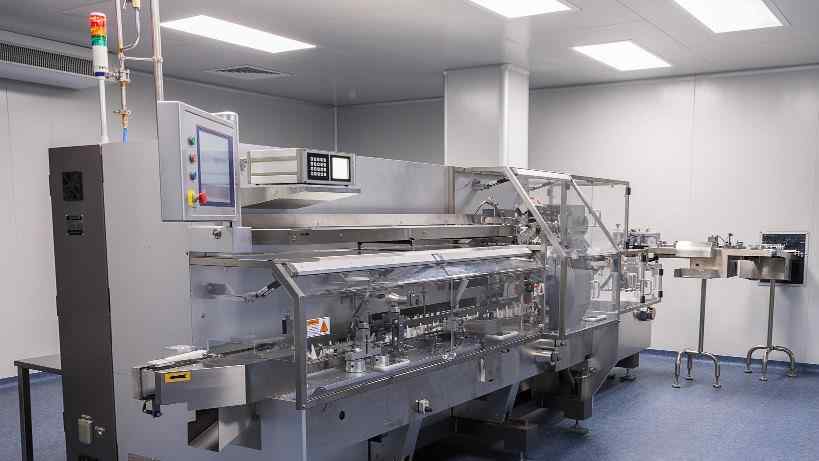
For producers of specialised polymers, the successful transition of nanotechnology research into commercial products underlines the real industrial value of CNT-based technologies. It shows that enhanced materials can be integrated smoothly into established manufacturing processes such as injection moulding and extrusion, without the need for radical changes to production lines. By using functionalised polymers, manufacturers can open up a broader range of applications, particularly in high-growth sectors such as electronics, automotive, and aerospace. Crucially, the ability to improve mechanical and electrical performance without compromising core thermal properties gives designers and engineers far greater freedom when developing next-generation polymer components.
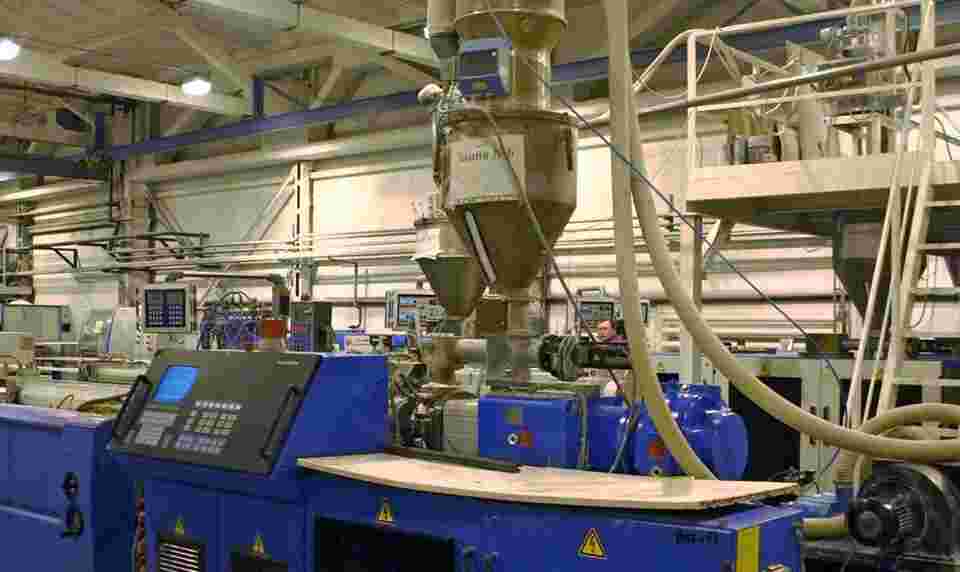
Ultimately, this journey from laboratory research to production-ready material shows that nanotechnology has reached a point of real industrial maturity. CNT-enhanced polymers are no longer experimental curiosities but practical tools for manufacturers looking to push performance boundaries, differentiate products, and stay competitive in demanding markets.
As material requirements continue to rise across sectors, the ability to engineer functionality directly into polymers—without sacrificing processability or reliability—will be a decisive advantage. At POLYMER NANO CENTRUM, this approach reflects a broader ambition: to make nanostructured polymers not just scientifically impressive but commercially meaningful and ready for everyday industrial use.
Photo credit: Wikimedia, usertrmk, Macrovector,Macrovector, & Polymer Nano Centrum
