
Can Nanotechnology Fix the Plastic Recycling Problem?
Nanotechnology is transforming weak recycled plastic into durable, virgin-grade material at lower cost. Czech researchers are driving this shift.

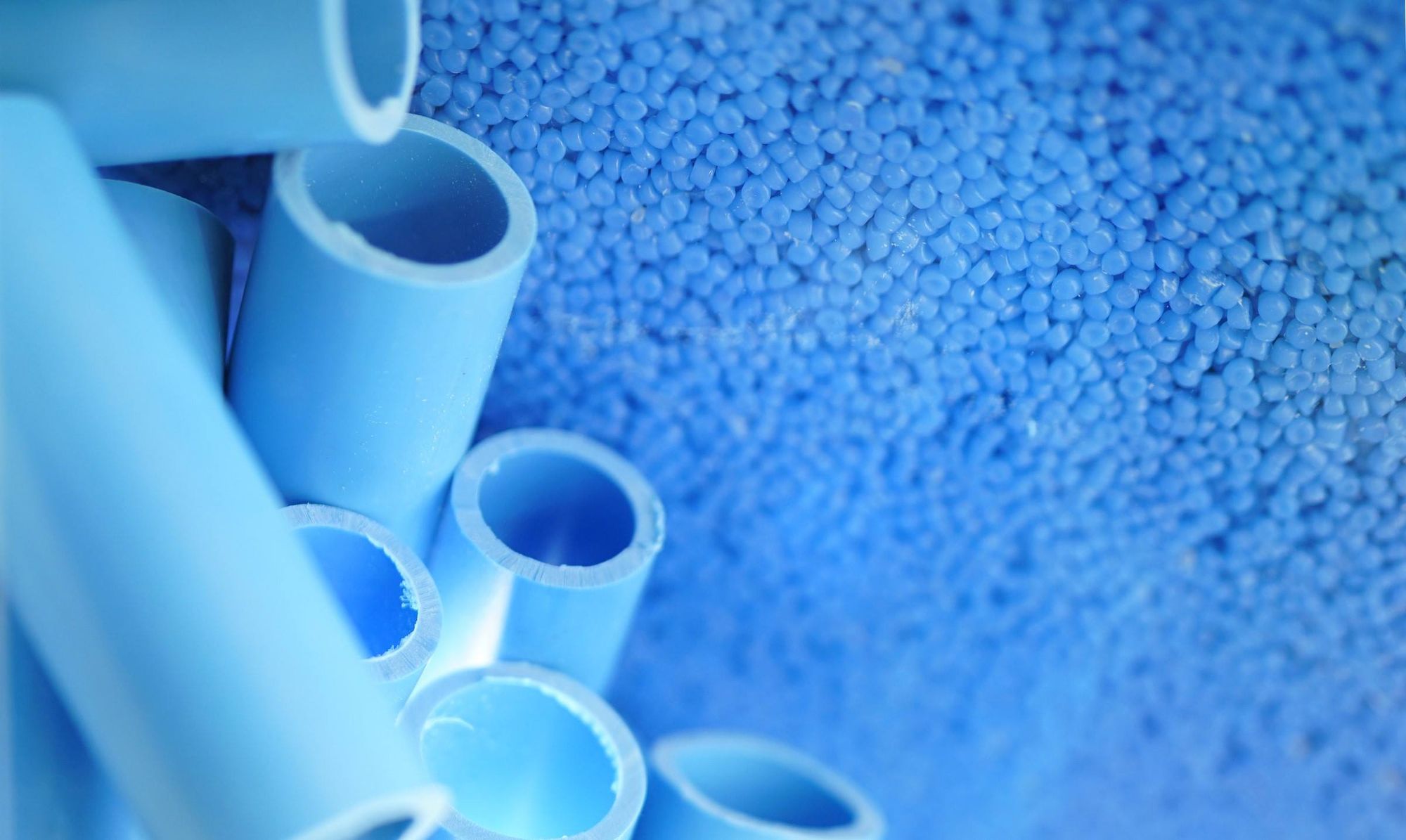
Every time you put a plastic milk jug into the recycling bin, you are participating in a well-meaning system with a hidden mechanical flaw. Unlike aluminium or glass, plastic degrades every time it is melted down and reshaped, as its microscopic polymer chains snap, leaving recycled plastic weaker, more brittle, and less useful than brand-new material.
Because of this degradation, manufacturers often have to blend recycled pellets with brand-new, fossil-fuel-derived plastic—or relegate recycled material to low-value items like park benches and trash bags.
Nanotechnology Can Fix This
Nanomaterials offer a direct solution to this global recycling problem. By mixing a tiny amount—usually just 5% by weight—of ultra-strong atomic-sized particles into a plastic, engineers can reinforce the material much like builders reinforce concrete with steel bars. Despite measuring less than 10,000 times the width of a human hair, nanomaterials can strengthen polymers at the molecular level, restoring or even surpassing the durability of virgin material.
While this solution has been known for years, one question has always held back the widespread use of recycling plastics with nanotechnology: Does the energy and cost required to make and apply nanomaterials cancel out the economic and environmental benefits of recycling?
Upgrading Recycled Plastic to Beat Virgin Materials
A study published in Materials Circular Economy by researchers at LUT University in Finland put that question to the test. The team compared the real-world energy demands and production costs of five different nano-additives used to reinforce recycled high-density polyethylene (rHDPE) and compared their cost-efficiency and eco-friendly status.
While blending any additive into recycled plastic adds a small processing step compared to using plain recycled pellets, the researchers showed that mineral-based fillers keep that extra cost and energy remarkably low—allowing upgraded recycled plastic to compete directly against brand-new, virgin materials.
Moreover, when the team modelled blending 5% nanofiller made from construction and demolition waste (crushed concrete and brick dust) into 95% recycled plastic, the resulting high-strength composite cost just €0.85 per kilogram—a tiny fraction above plain recycled pellets (€0.80/kg), yet roughly 35% less than a traditional virgin-plastic nanocomposite (€1.30/kg). Even more striking, producing the waste-derived composite consumed 85% less energy than its virgin counterpart (9.8 MJ/kg versus 65 MJ/kg).
Instead of paying a steep "green premium," manufacturers can spend just a few cents more per kilogram to transform weak, low-value recycled plastic into a durable, virgin-grade material (using two abundant waste streams) to replace brand-new fossil plastics.
A New Study Challenges "Green" Assumptions
The research also overturned a common assumption in manufacturing, as most people naturally assume plant-based nanomaterials, such as wood-derived cellulose nanofibres, are the most environmentally friendly choice. Yet the data revealed the opposite: separating and spray-drying the plant fibres requires massive amounts of thermal energy—up to 170 times more energy than mineral-based alternatives.
The clear winners were inorganic fillers—specifically nanoclay alongside the construction-waste nanofiller—proving that in sustainable manufacturing, the energy required to process an additive matters just as much as where it comes from.
For decades, sustainable materials have struggled to gain mainstream industrial adoption because companies had to pay a "green premium" to use them. These findings show that the economics are flipping: circular, waste-derived nanocomposites are not just better for the planet—they are becoming the lowest-cost option for manufacturers.
What Comes Next for Smart Materials
Nanomaterial researchers note that the next frontier for the industry is matching specific nano-additives to targeted commercial applications—such as automotive components, infrastructure piping, and heavy-duty packaging—to maximize strength, heat resistance, and weight savings.
That ongoing research is where the biggest breakthroughs—and commercial opportunities—are unfolding.
Manufacturers everywhere are under mounting regulatory and consumer pressure to cut virgin plastic use. This has created a massive, multi-billion-dollar market for technologies that can turn cheap recycled plastics into high-performance materials.
In the Czech Republic, for example, Polymer Nano Centrum is conducting cutting-edge research into how nanotechnology can improve everyday plastics.
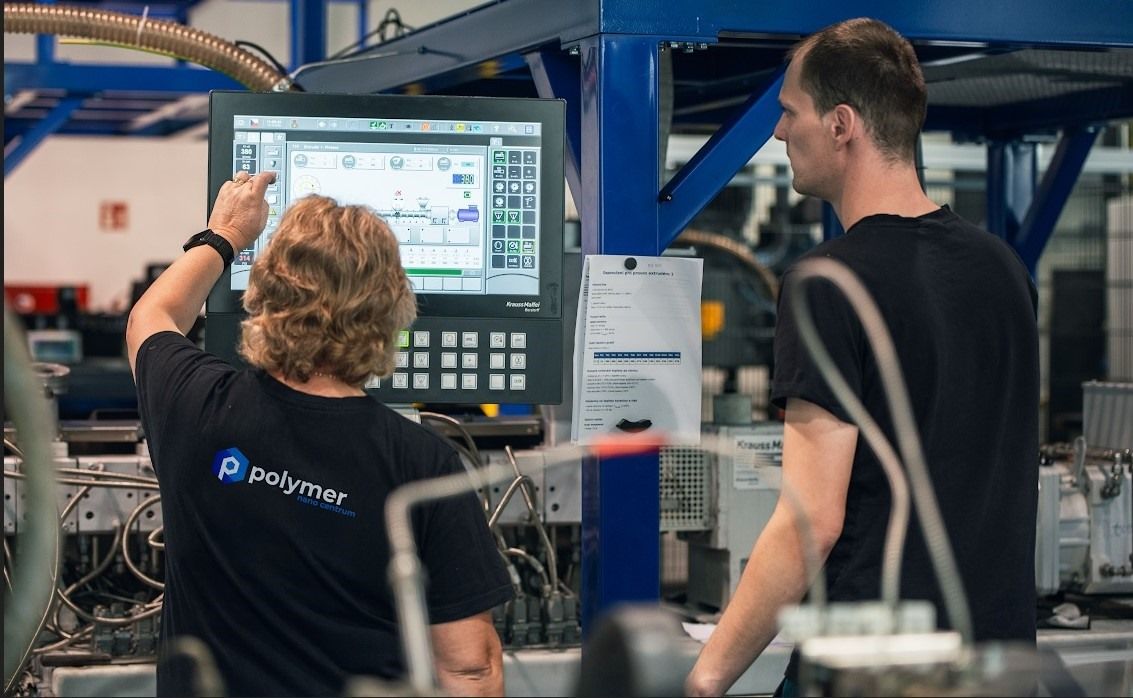
By advancing polymer nanocomposite solutions for real-world industrial problems, Polymer Nano Centrum (who sponsor this webpage) is tackling one of the planet’s most urgent waste challenges while also unlocking significant cost savings for manufacturers. As these technologies move from the lab to commercial production, Polymer Nano Centrum has positioned itself at the forefront of the next materials revolution—a place that will benefit business, investors, and the planet at the same time.
Want to follow Polymer Nano Centrum’s progress as it brings next-generation nanocomposite technology to market? Explore Polymer Nano Centrum’s latest research, milestones, and investor resources on our main page.
Photo credit: Polymer Nano Centrum, Vecteezy, Vecteezy, Vecteezy, & Vecteezy