
How Nanotechnology Research Boosts Industry
More than just research, the work of Polymer Nano Centrum has practical and commercial applications and even helps the environment.


For centuries, manufacturers have improved raw materials by mixing in other raw materials with different properties. All that is now changing, as the use of nanotechnology allows the problem to be solved at the nanoscale.
This is where objects are measured in nanometres (1 nm is one millionth of a millimetre), and a red blood cell is around 7,000 nanometres wide.
At this scale, materials can behave very differently from their conventional forms, exhibiting enhanced strength, conductivity, thermal stability, or chemical resistance.
By understanding and controlling nanomaterials (objects measuring less than 100 nm), researchers can impart properties into polymers that would be difficult or impossible to achieve through traditional material design alone. This enables the transformation of everyday plastics into high-performance engineering materials.

Polymer Nano Centrum is a Czech research and development company that is harnessing this technology to improve polymer materials for manufacturers. Using their proprietary method of nanoscale modification, they are able to alter plastics and resins to meet industry needs.
For example, epoxy resin flooring is often used in warehouses and manufacturing spaces but can retain a static electrical charge. If the static discharges, it can damage any sensitive electronics being stored or built there. If it is a data storage space or server room, then valuable data can be lost. If explosives are being kept or manufactured, then a single spark could cause an explosion.
Through the inclusion of nanomaterials, the epoxy resin can be made to dissipate the electrical charge, preventing costly accidents from static electricity.
“What Polymer Nano Centrum does is use nanotechnology to improve the properties of these materials and push the limits of conventional plastics,” explains Michaela, one of the company’s researchers. Depending on the intended application, these modifications can improve mechanical strength, thermal stability, electrical conductivity, durability, and resistance to environmental conditions. The result is a new generation of materials that can be used in increasingly demanding industrial environments.
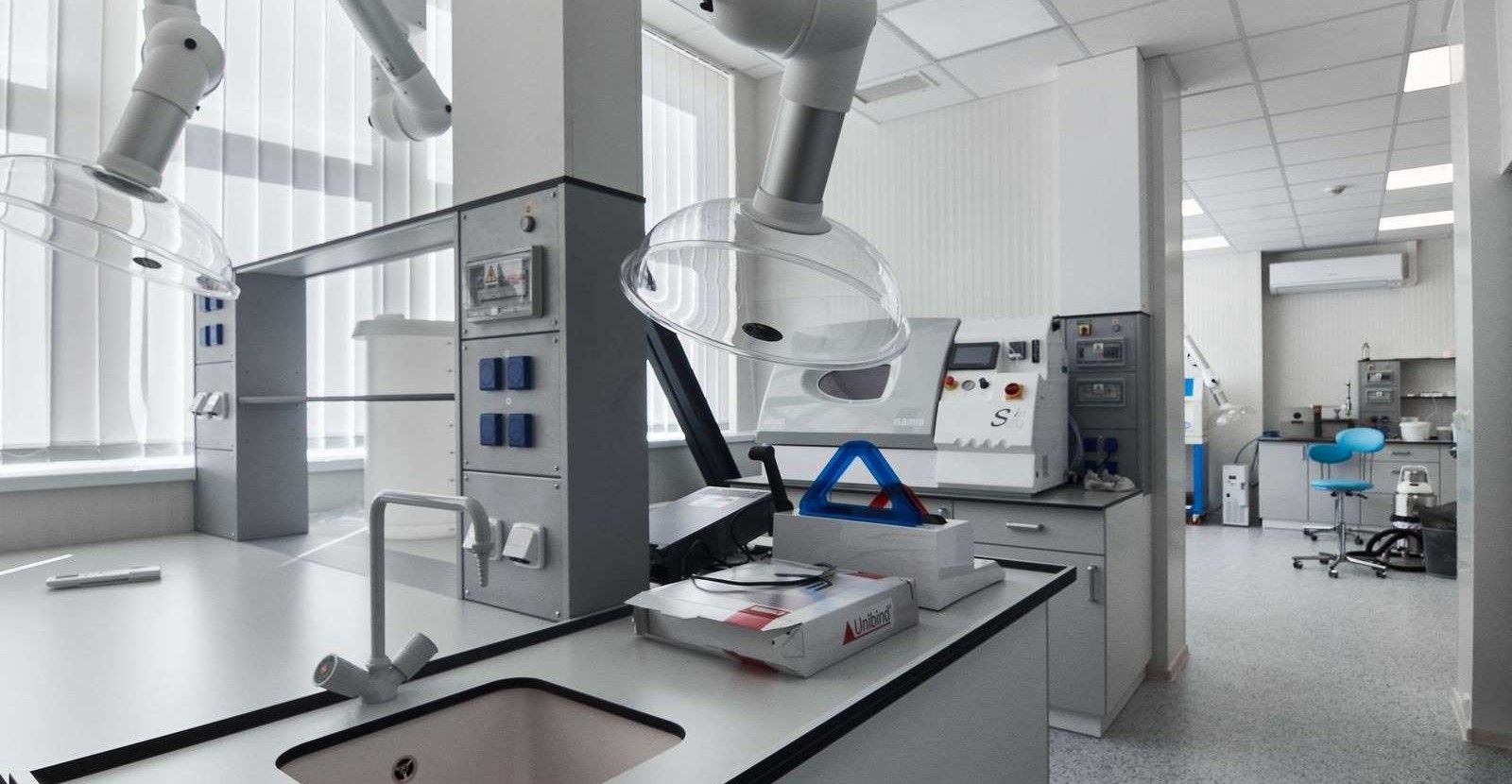
Another practical example of the work being carried out at Polymer Nano Centrum is the development of lightweight alternatives to traditional engineering materials.
“A conventional polymer material can be modified with nanoparticles, nanofillers,” adds Viktoriia, another key part of the research team. “This can make the final product stronger, more resistant to certain types of mechanical stress, more durable, or even electrically conductive.”
In sectors such as automotive and electronics manufacturing, this can create components that are significantly lighter than metal (saving fuel) while still providing the required strength and performance. It can also make components more durable (saving money) or safer, by, for example, making a polymer fuel pipe less likely to cause sparks and ignite.
Rather than offering off-the-shelf answers, Polymer Nano Centrum works closely with customers to understand their products, manufacturing processes, and performance requirements.
“Customers usually approach us when they are looking for a more suitable or more cost-effective material solution,” notes Viktoriia.
The researchers then develop or modify materials that are tailored to the application, helping businesses improve product performance, reduce costs, or replace existing materials with more effective alternatives. The company also conducts long-term research into how polymer materials behave throughout their service life.
“One particularly interesting technical challenge we have worked on is the ageing of polymer materials,” recalls Michaela. “In this project, we study how factors such as UV radiation and temperature changes affect the long-term properties of plastics.”
What makes it technically challenging is that ageing is a complex process, so we need to combine different testing methods to understand what is happening.”
This analysis includes evaluating changes in mechanical properties, surface degradation, colour changes or chemical structure.
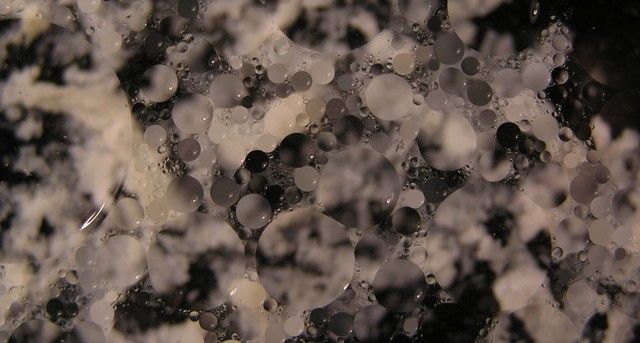
Importantly, the research has a practical, industrial use, as polycarbonate sheeting is often used in greenhouses. Ultraviolet rays from the sun can cause it to turn yellow and go brittle, shortening its lifespan. Through the inclusion of nanotechnology, the UV rays can be deflected, extending the plastic's use, which lowers maintenance costs.
“I also find this project very meaningful from an environmental point of view,” she concludes. “Recycling is very important, but durability is also a key sustainability factor that is sometimes overlooked. If a plastic product lasts longer and keeps its properties over time, it can reduce waste and improve the overall environmental impact of the product.”
Photo credit: Vecteezy, Vecteezy, Vecteezy, Polymer Nano Centrum